
Hernia Repair Surgery (Open & Laparoscopic)
A planned operation to push back a hernia and strengthen the weak spot in the abdominal wall, usually with a mesh — by open or keyhole surgery, with most patients walking the same day and home within one or two days.
45–90 minutes
1–2 days (planned)
General or spinal
About 1–2 weeks
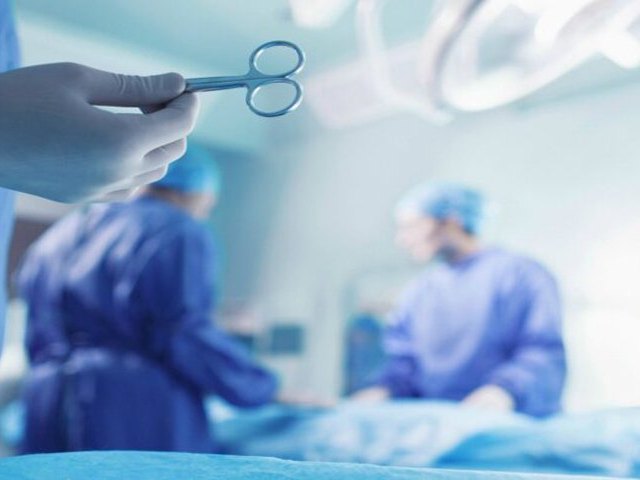
Overview
Perhaps you noticed a soft bulge in the groin that appears when you stand or cough and disappears when you lie down. Or a swelling has grown around the navel after pregnancy, or along the scar of an old operation. It may ache by evening, or not hurt at all. Either way, it helps to understand what a hernia is and how it is repaired.
A hernia is a bulge of fat or intestine pushing through a weak spot in the muscle wall of the abdomen. The most common type is an inguinal hernia in the groin, seen mostly in men. Others include umbilical hernias at the navel, incisional hernias through an old surgical scar — for example after a caesarean section — and femoral hernias just below the groin crease, which are more common in women.
A hernia does not heal on its own, and it usually grows slowly over time. The main danger is that it becomes stuck (incarcerated) and its blood supply is cut off (strangulated). This is an emergency: the hernia turns hard, painful and cannot be pushed back, often with vomiting. Repairing a hernia on a planned date is far safer than operating in an emergency.
Hernia repair returns the contents to their place and strengthens the weak area, in most adults with a mesh — a thin, flexible sheet that the body’s own tissue grows into. The repair can be done through a single cut over the hernia (open repair) or through small keyhole cuts (laparoscopic repair). At SKS Hospital, our General & Laparoscopic Surgery team performs both, with anaesthesia, ICU and 24×7 emergency support for stuck hernias on the same campus.
Why it's done
Repair is advised for most hernias in adults, because they do not go away and carry a risk of becoming stuck. Common reasons include:
- A groin bulge that appears on standing, coughing or lifting, with or without discomfort
- Aching, dragging or burning in the groin that limits work, walking or exercise
- A hernia that is steadily getting larger or harder to push back
- An umbilical or incisional hernia in an adult, especially if it is growing or painful
- A femoral hernia, which is usually repaired promptly because it has a higher risk of getting stuck
- A hernia that has become stuck or strangulated — treated as an emergency
Is it right for you?
Usually a good fit
- A hernia that pushes back easily but causes a bulge, discomfort or worry
- Fit for general or spinal anaesthesia after routine tests
- Hernias on both sides, or a hernia that has returned after an earlier open repair — often well suited to keyhole repair
- You are able to avoid heavy lifting for a few weeks after surgery
May not be suitable
- A small groin hernia in a man with few or no symptoms — careful watching may be a reasonable choice after discussion
- A chronic cough, constipation or straining to pass urine that has not yet been treated, as these strain the repair
- Serious heart or lung disease — surgery can often still be done under spinal or local anaesthesia after assessment
- Heavy smoking, uncontrolled diabetes or a large incisional hernia with obesity, until these are improved before a planned repair
Types and techniques
Open mesh repair
A cut of about 5–8 cm is made over the hernia, the bulge is pushed back and a mesh is stitched over the weak area. It can be done under spinal or, for selected patients, local anaesthesia, which makes it suitable for people who should avoid general anaesthesia.
Laparoscopic (keyhole) mesh repair
Three small cuts are made and a camera is used to place the mesh behind the muscle wall from the inside. It usually means less pain and a quicker return to activity, and both sides can be repaired through the same cuts. It needs general anaesthesia.
Umbilical and incisional hernia repair
A small umbilical hernia may be closed with stitches alone or with a small mesh. Larger umbilical and incisional hernias are repaired with a mesh by open or keyhole surgery, depending on their size, position and previous operations.
Emergency repair of a stuck hernia
A strangulated hernia is taken to theatre urgently. The trapped bowel is checked and, if part of it has lost its blood supply, that segment is removed and the ends joined. Recovery is longer, and a mesh may be avoided if there is contamination.
Preparing for the procedure
- Examination by the surgeon; an ultrasound is sometimes used to confirm a small or unclear hernia. Blood tests for blood count, sugar and kidney function, an ECG and a chest X-ray if needed
- Do not eat for about 6 hours before surgery; we will tell you when to stop water and which morning medicines to take with a sip
- Blood thinners such as aspirin, clopidogrel, warfarin or newer anticoagulants may need pausing — only on the advice of your surgeon and the doctor who prescribed them
- Get a cough, constipation or difficulty passing urine treated first; men with prostate symptoms may be referred to urology
- Stop smoking and tobacco, ideally several weeks before surgery, and keep diabetes well controlled — both lower the risk of wound infection and recurrence
- Bring loose clothing and snug, supportive underwear; arrange for a family member to take you home and help for the first day or two
The procedure, step by step
Anaesthesia
Laparoscopic repair is done under general anaesthesia, so you are fully asleep. Open repair is often done under spinal anaesthesia, which numbs you from the waist down while you stay awake or lightly sedated behind a screen, feeling only pushing and pulling.
Reaching the hernia
In open repair, a cut is made along the skin crease over the hernia. In laparoscopic repair, a small cut at the navel lets the surgeon pass a camera, and two further 5 mm cuts are used for the instruments.
Returning the contents
The hernia sac and its contents are freed and gently pushed back into the abdomen, or the empty sac is removed. The surgeon checks that the bowel looks healthy and identifies the exact size of the weak spot.
Reinforcing with mesh and closing
A mesh is placed to cover the weak area with a generous overlap and fixed with stitches, tacks or surgical glue. The skin is closed with dissolving stitches or glue. A standard groin repair usually takes 45–90 minutes, and you go to the recovery area to wake up.
Benefits and risks
Benefits
- Removes the bulge and the dragging discomfort it causes
- Prevents the hernia from becoming stuck or strangulated, which would need emergency surgery
- Mesh repair greatly lowers the chance of the hernia coming back compared with stitches alone
- Most patients walk the same day, go home in 1–2 days and return to desk work within 1–2 weeks
Possible risks
- Bruising and swelling in the groin or scrotum, and a fluid collection (seroma) under the wound, which usually settles over a few weeks
- Wound infection; infection of the mesh itself is uncommon but may need further treatment or removal of the mesh
- The hernia coming back (recurrence) in a small proportion of patients — usually quoted at a few in 100 after mesh repair
- Groin pain lasting beyond three months in around 1 in 10 people, usually mild; severe long-term pain is uncommon
- Temporary difficulty passing urine, and rarely injury to the bowel, bladder, blood vessels or the cord supplying the testis
Recovery timeline
Day of surgery
You are helped to walk within a few hours and can usually eat and drink the same day. Nurses check that you pass urine comfortably, especially after spinal anaesthesia. Pain is controlled with tablets or injections, and an ice pack eases swelling.
Day 1 to 2
Most patients go home the same or next day once they are walking, eating and passing urine. After an emergency repair, or if part of the bowel was removed, the stay is longer. We explain wound care, medicines and the review date before discharge.
The first two weeks
Walk several times a day. Support the wound with your hand or a pillow when you cough, laugh or get up. Drink plenty of water and eat fibre to avoid straining, with a mild laxative if advised. Desk work is usually possible in 1–2 weeks. Drive only once you can brake hard without pain, often after 1–2 weeks.
Weeks 2 to 6
Increase activity gradually. Avoid heavy lifting, gym work and strenuous labour for about 4–6 weeks, or as your surgeon advises, while the mesh becomes fixed by your own tissue. Attend the review visit, where the wound is checked and you are told when to return to full activity.
When to call your doctor
- A lump that becomes hard, very painful and cannot be pushed back, especially with vomiting — call +91 86799 11029 or come to emergency straight away
- Fever, spreading redness, pus or increasing pain at the wound
- Being unable to pass urine, or a rapidly swelling, tense scrotum
- Vomiting, a swollen abdomen, or not passing wind or stools
- Pain or swelling in the calf, breathlessness or chest pain
Call us on +91 86799 11029 or come straight to our 24×7 emergency department.
Alternatives
Watchful waiting
For a small groin hernia in a man with little or no discomfort, careful watching may be reasonable after discussion. You will be told which signs mean you must come to hospital at once. Many such hernias eventually become troublesome and need repair.
Hernia belt or truss
A belt may hold the hernia in for people who cannot have surgery. It does not cure the hernia, can irritate the skin, and must never be used to hold in a hernia that has become stuck or painful.
Repair without mesh
Stitching the muscle edges together without mesh is used for small umbilical hernias, in children, and in some emergency operations where there is contamination. In most adult groin hernias it carries a higher chance of recurrence than a mesh repair.
This page explains Hernia Repair Surgery (Open & Laparoscopic) in general terms. Your doctor will advise what is right for you after examining you and reviewing your reports. Please read our medical disclaimer.
Ask about your options, the cost and your insurance before you decide. We are empanelled with major insurers and TPAs.
Your care team
General & Laparoscopic Surgery Department
Hernia repair at SKS Hospital is carried out by our General & Laparoscopic Surgery team with experienced anaesthetists and theatre staff. ICU, blood bank and a 24×7 emergency department on the same campus mean that a stuck or strangulated hernia can be operated on at any hour.
From the first examination to the operation, discharge and review, the same team looks after you — and explains the choice between open and keyhole repair, the likely stay and the recovery plan to you and your family.
Other departments involved
Related procedures
Laparoscopic Gallbladder Surgery
Keyhole removal of a gallbladder that is causing pain, infection or jaundice from gallstones, usually with a short stay.
Prostate Surgery (TURP)
Treatment for an enlarged prostate, which can cause straining to pass urine that puts extra pressure on a hernia repair.
Appendectomy
Keyhole or open removal of an inflamed appendix, usually carried out soon after the diagnosis is confirmed.
Piles, Fissure & Fistula Surgery
Treatment of piles, fissure and fistula, including laser piles surgery where the condition makes it suitable.
Hydrocele Surgery
Removal of a fluid-filled swelling around the testis, which can look similar to a groin hernia on first glance.
Abdominal Ultrasound
A radiation-free scan that helps confirm a small or unclear hernia and checks other abdominal organs.
Frequently Asked Questions
Common questions patients and families ask us about hernia repair surgery.
Can a hernia heal on its own or with a belt?
No. A hernia is a hole in the muscle wall, and it does not close by itself in adults. A belt may hold the bulge in temporarily but does not repair it. Most hernias slowly get larger, and surgery is the only cure.
Is laparoscopic repair better than open repair?
Both are good operations. Keyhole repair usually means less pain and a quicker return to work, and suits hernias on both sides or a recurrence after open surgery. Open repair can be done under spinal or local anaesthesia and suits people who should avoid general anaesthesia. Your surgeon will advise which is better for you.
Is the mesh safe? Can my body reject it?
The mesh is made of a medical-grade material that has been used in hernia repair for decades. Your own tissue grows into it and it becomes part of the abdominal wall. It does not get “rejected” like a transplanted organ, though infection of the mesh can rarely happen.
How do I know if my hernia has become stuck?
A hernia that suddenly becomes hard, tender and cannot be pushed back, especially with vomiting, a swollen abdomen or redness over the lump, may be strangulated. Do not try to force it back. Call +91 86799 11029 or come to our emergency department immediately.
When can I lift weights or return to physical work?
Light activity and walking start the same day. Most people return to desk work in 1–2 weeks. Heavy lifting, gym work and strenuous labour are usually avoided for about 4–6 weeks, or for the period your surgeon writes down.
Can the hernia come back after surgery?
It can, but it is uncommon after a mesh repair. The risk is higher with smoking, obesity, diabetes, chronic cough or constipation, and returning to heavy lifting too early. Following the recovery advice gives the repair a better chance of lasting.
My child has a bulge in the groin or at the navel. What should I do?
A groin hernia in a child should be seen soon, because it is usually repaired by a simple operation without mesh. Navel hernias in babies often close on their own by around 4–5 years of age. Come to emergency if the swelling becomes hard, painful or red, or the child vomits.
Will hernia surgery affect my sex life or fertility?
Rarely. Sexual activity can usually resume once you are comfortable, often after 1–2 weeks. The tube carrying sperm lies close to a groin hernia and is carefully protected; injury to it is uncommon.
How much does hernia surgery cost, and is it covered by insurance?
The cost depends on the type of hernia, open or keyhole repair, one or both sides, and the length of stay. Our team gives a written estimate before a planned operation. SKS Hospital is empanelled with major insurers and TPAs, and hernia repair is usually covered — our insurance desk helps with pre-authorisation.
Book a consultation at SKS Hospital
Book a consultation with SKS Hospital’s specialists — 24×7 emergency care, 350 beds and a full team of consultants on one campus.