
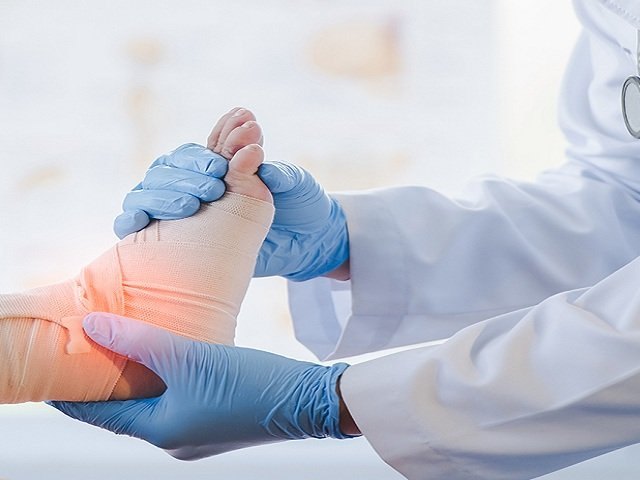
Department of Orthopaedics & Joint Replacement
Arthroscopy (ACL / Meniscus Repair)
Keyhole surgery in which a pencil-thin camera and fine instruments pass through two or three small cuts to look inside a joint and repair it — most often to reconstruct a torn ACL or repair a torn meniscus in the knee, with most patients going home within a day.
- 30 minutes–2 hours
- Same day to 1–2 days
- Spinal or general
Request a arthroscopy and ACL surgery appointment
Takes about 1 minute. No charges to request.
Our team calls within 30 minutes during OPD hours to confirm doctor and time. For emergencies, call +91 86799 11029.
Teaching hospital
Emergency & ambulance
NABH-aligned standards
ICU on the same campus
On site, not outsourced
Insurers & TPAs
Arthroscopy (ACL / Meniscus Repair) at SKS Hospital
It often starts with a moment on the cricket pitch, the football ground, a slip on wet stairs or a two-wheeler fall: a twist, a pop inside the knee, swelling within hours. Weeks later the swelling settles, but the knee “gives way” when you turn, or it catches and locks when you squat. These are typical signs of a torn ligament or torn cartilage, and they are the most common reasons for arthroscopy.
Arthroscopy means “looking into the joint”. Through a small cut about 1 cm long, the surgeon inserts an arthroscope — a thin tube with a camera and light — and the inside of the joint is shown magnified on a screen. Fine instruments pass through one or two other small cuts to trim, stitch or rebuild damaged tissue. Because the joint is not opened, there is usually less pain, less scarring and a quicker return to daily life than with open surgery.
The two commonest knee operations are ACL reconstruction and meniscus repair. The anterior cruciate ligament (ACL) holds the shin bone steady under the thigh bone; once fully torn it does not heal on its own, so it is rebuilt using a graft, usually taken from your own tendons. The menisci are two rubbery C-shaped cushions between the bones; a tear may be stitched if it can heal, or the torn flap trimmed away if it cannot. Arthroscopy is also used for recurrent shoulder dislocation and to find the cause of unexplained joint pain.
At SKS Hospital, arthroscopy is performed by our orthopaedics team, with structured rehabilitation by our in-house physiotherapists — because after ACL surgery, the months of exercise that follow matter as much as the operation itself.
Types and techniques we offer
Your doctor will advise which option fits your condition after examining you and reviewing your reports.
ACL reconstruction
The torn ligament is replaced with a graft, most often taken from the hamstring tendons at the back of the thigh or from the patellar tendon at the front of the knee. Tunnels are drilled in the thigh and shin bones, and the graft is passed through and fixed in place, where it gradually becomes a new ligament over several months.
Meniscus repair or partial meniscectomy
A tear near the outer edge of the meniscus, where there is a good blood supply, can often be stitched so that it heals. Tears in the inner part, which heal poorly, are trimmed back to a smooth, stable edge. Saving as much meniscus as possible helps protect the knee from arthritis in later life.
Shoulder arthroscopy
For a shoulder that keeps dislocating, the torn cartilage rim and ligaments at the front of the socket can be stitched back to the bone. Arthroscopy is also used to repair torn rotator cuff tendons and to relieve pain from bone spurs in selected patients.
Diagnostic arthroscopy and loose body removal
When scans do not explain the problem, the camera can show exactly what is wrong, and many problems — such as loose fragments or inflamed joint lining — can be treated in the same sitting.
When is this treatment advised?
Arthroscopy is advised when an MRI and examination show a joint injury that is causing instability, locking or persistent pain. Common reasons include:
- A complete ACL tear with the knee giving way, especially in young and active people
- A meniscus tear that causes locking, catching or pain along the joint line
- Recurrent shoulder dislocation after an injury, or a torn shoulder tendon
- Loose pieces of bone or cartilage floating inside the joint
- Injury to the joint cartilage surface in selected patients
- Persistent joint pain or swelling where the cause is still unclear after tests
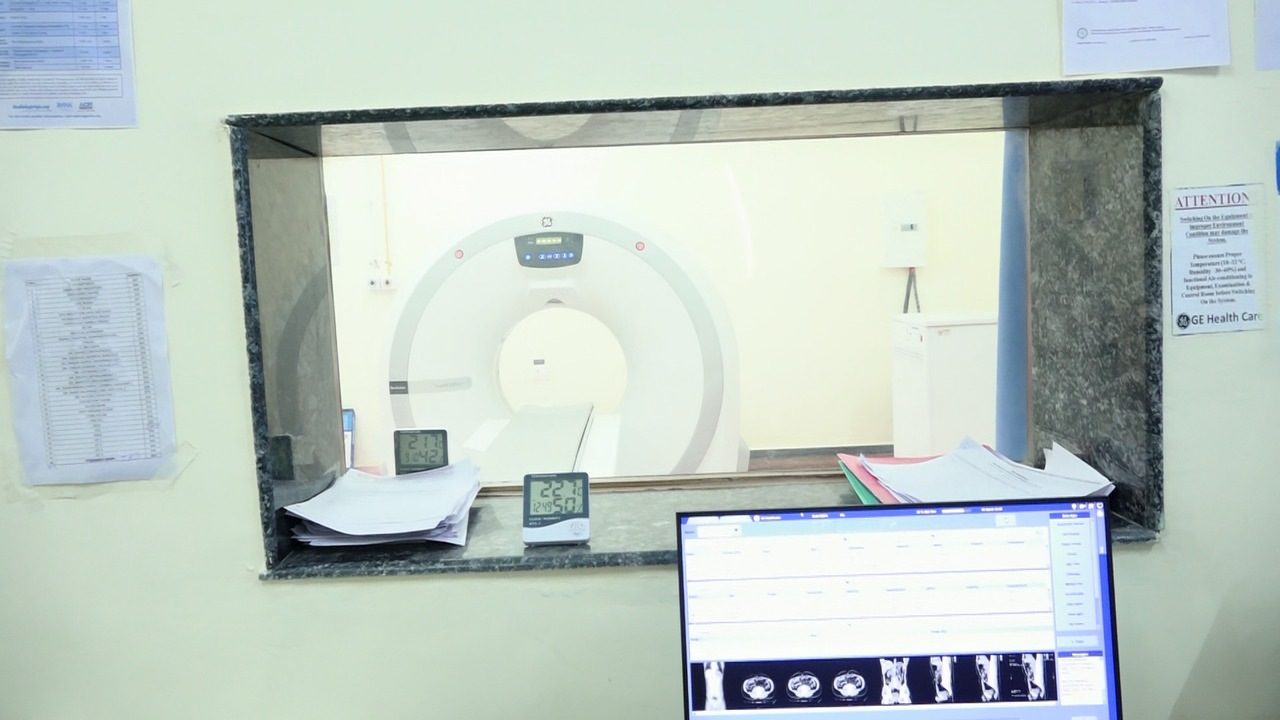
Usually a good fit
This treatment is often suitable if the following apply.
- A torn ACL with a knee that gives way during daily activities or sport
- A meniscus tear causing mechanical symptoms such as locking or catching
- Swelling has settled and you can nearly fully straighten and bend the knee before surgery
- You are ready to follow a structured rehabilitation plan for several months
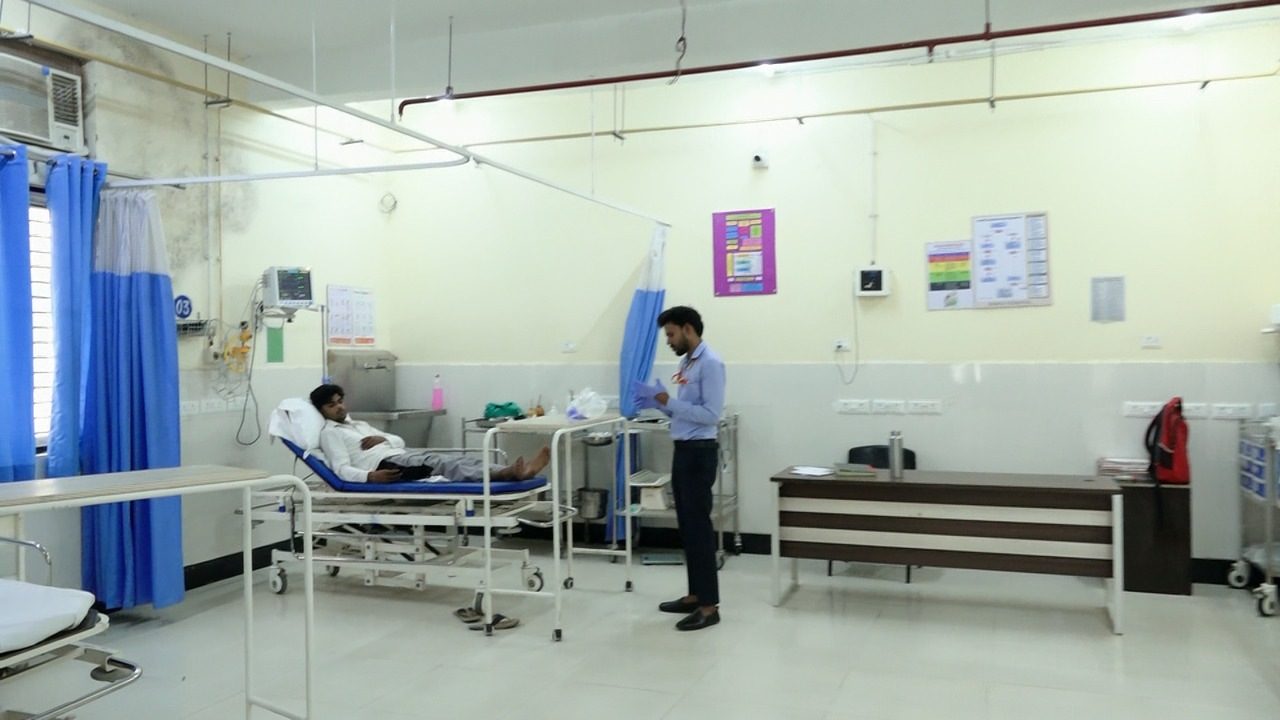
May not be suitable
Your doctor may advise a different plan if any of these apply.
- Pain mainly from severe knee arthritis — a keyhole “wash-out” does not help, and other treatments work better
- A freshly injured knee that is still very swollen and stiff, until movement returns with physiotherapy
- Any active infection in the skin or elsewhere, until it is treated
- Some partial ACL tears or wear-related meniscus tears in older adults, which often improve with physiotherapy alone
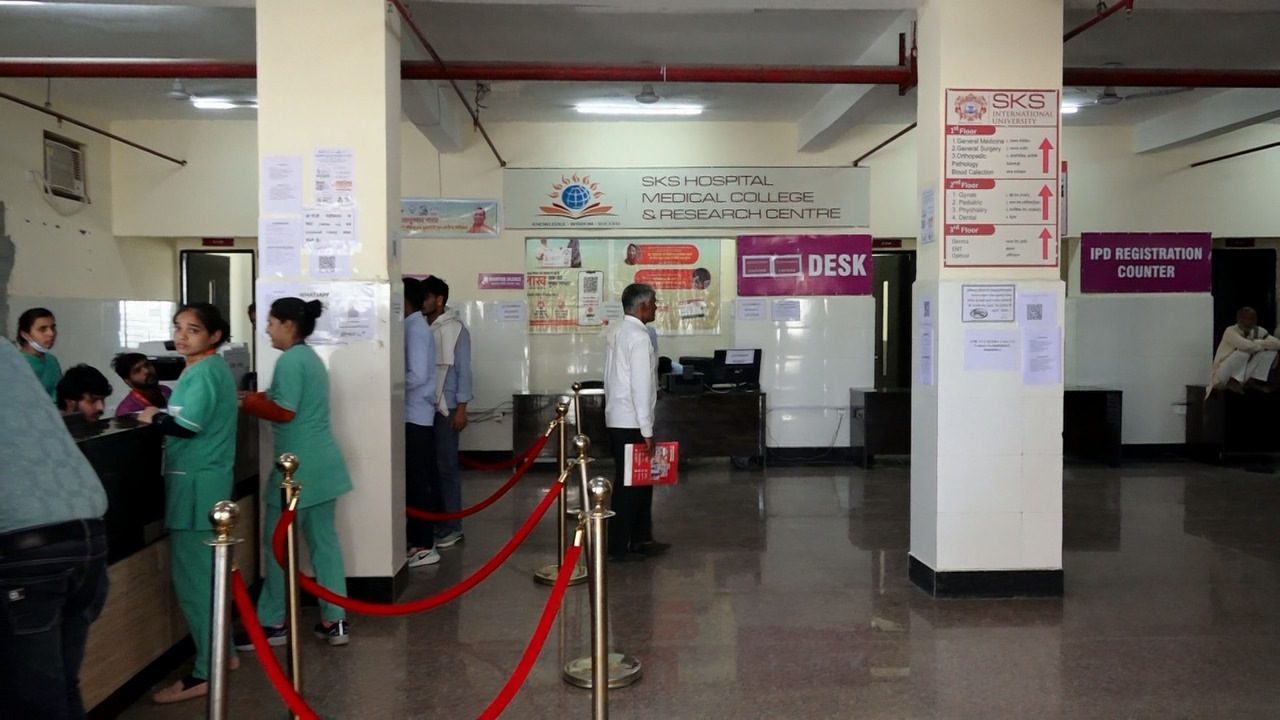
What to bring and how to prepare
A few steps before admission help the procedure and recovery go smoothly.
- An MRI of the injured joint, along with an X-ray, blood tests, ECG and a fitness check for anaesthesia
- Do pre-surgery physiotherapy to reduce swelling, regain full straightening of the knee and strengthen the thigh muscles
- Blood thinners and some painkillers may need pausing — only on your doctor’s advice; tell us about diabetes, BP or any allergy
- Do not eat for about 6 hours before surgery; we will tell you which morning medicines to take with a sip of water
- Arrange crutches or a walker, a knee brace if advised, and someone to take you home — you should not drive on the day
- Bring your MRI films or CD, previous reports and list of medicines, along with one family member
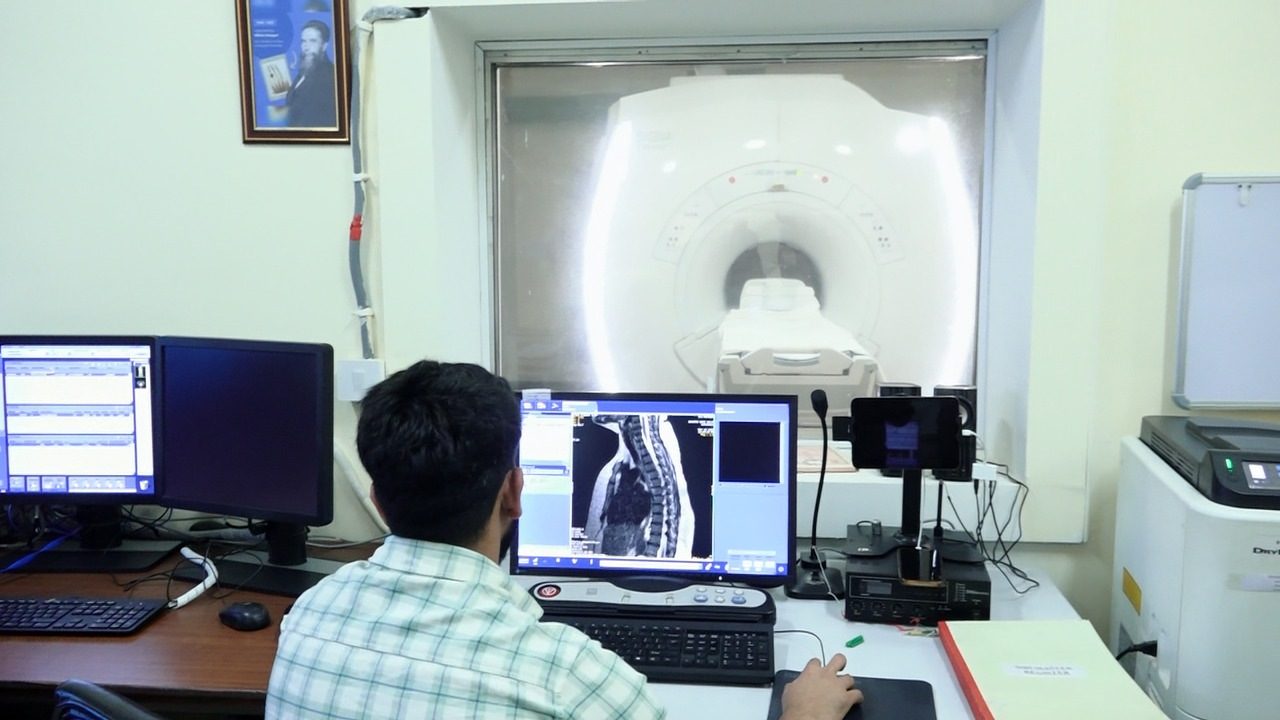
How the procedure works
- Anaesthesia and preparation — Knee arthroscopy is usually done under spinal anaesthesia, which numbs you from the waist down, or under general anaesthesia. The leg is cleaned with antiseptic, and a tourniquet around the thigh keeps the view clear. You do not feel the operation.
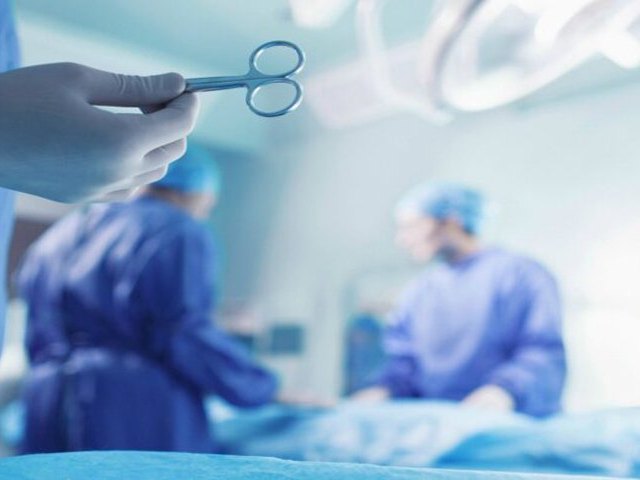
- Looking inside the joint — The surgeon makes two or three small cuts of about 1 cm around the knee. The joint is filled with sterile fluid so that it expands, and the camera is inserted to check the ligaments, menisci and cartilage on the screen.
- Repair or reconstruction — Torn meniscus is stitched or trimmed with fine instruments. For ACL reconstruction, the graft is taken through a small separate cut, prepared, passed through bone tunnels and fixed with small devices that usually stay in place permanently. A meniscus procedure takes about 30–60 minutes; ACL reconstruction usually 1–2 hours.
- Closing and bandaging — The small cuts are closed with a stitch or skin tapes and covered with a padded bandage. After ACL surgery a knee brace is often applied. You are watched in the recovery area until the anaesthetic wears off, and the physiotherapist visits you soon after.
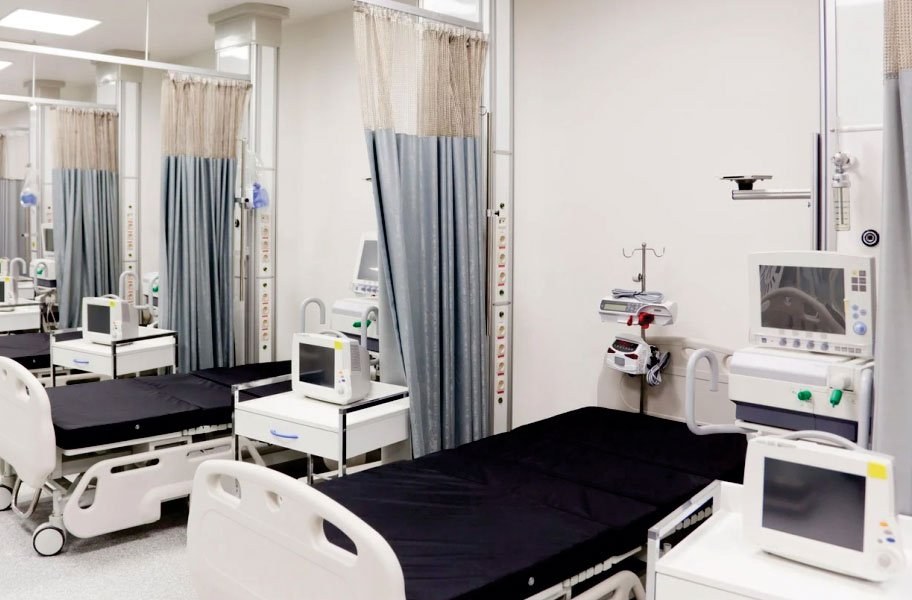
Benefits
- Small cuts, less pain and less scarring than open surgery
- Restores a stable knee that no longer gives way, lowering the risk of further meniscus and cartilage damage
- Relieves locking, catching and pain caused by torn cartilage
- Most patients go home the same day or the next day
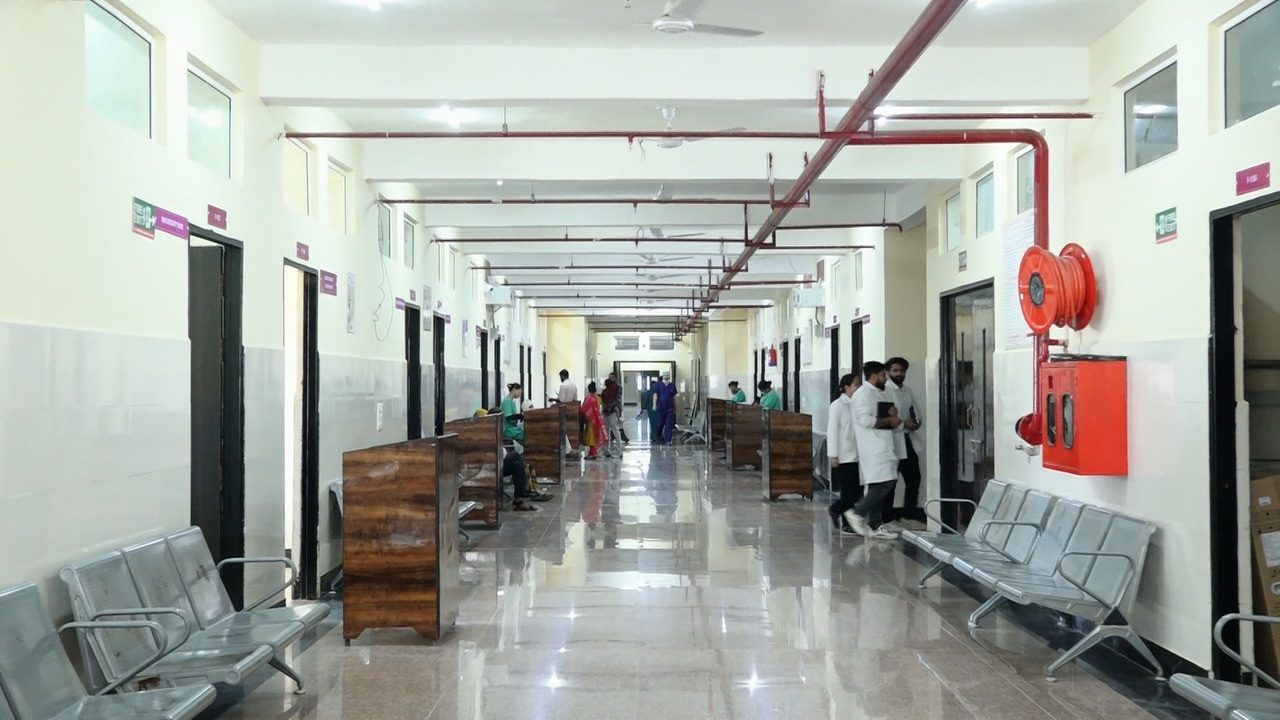
Possible risks
Every operation has risks. Your surgeon explains those that apply to you before you consent.
- Swelling or bleeding into the joint, which usually settles with ice, elevation and rest
- Infection in fewer than 1 in 100 patients, and blood clots in the leg veins, which are uncommon
- Stiffness or difficulty fully straightening the knee if exercises are not done regularly
- Re-tear of the ACL graft or a repaired meniscus, especially with an early return to sport or a new injury
- A small patch of numb skin beside the knee scar, which is common and usually harmless
Recovery timeline
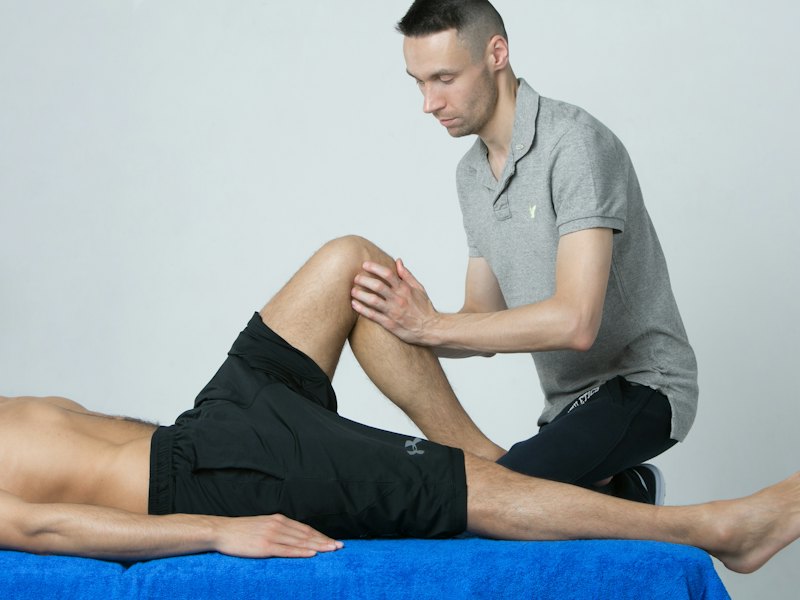
- First 1 to 2 weeks — Use ice, keep the leg raised and take pain medicines as advised. Start straightening and thigh-tightening exercises from day 1. After meniscus trimming, most people walk comfortably within days; after ACL reconstruction or meniscus repair, you use crutches and often a brace. Desk work is usually possible in 1–2 weeks.
- Weeks 2 to 6 — The stitches are removed around 10–14 days. The goals are full straightening, bending gradually past 90 degrees, and walking without crutches — usually by 2–6 weeks after ACL surgery, and later after a meniscus repair, as your surgeon advises.
- Months 2 to 4 — Strength and balance training continues with our physiotherapy team. Cycling, swimming and gym work are added step by step. Light jogging is often allowed from around 3–4 months after ACL reconstruction, if strength and control are good.
- Months 6 to 12 — Running, jumping and turning drills are built up gradually. Return to football, cricket, kabaddi or other twisting sports usually takes about 9–12 months after ACL reconstruction, and only after strength and hop tests show the knee is ready. Returning too early is the commonest cause of a re-tear.
When to call your doctor
Call +91 86799 11029 or come to the 24×7 emergency department if you notice any of the following.
- Fever, spreading redness, pus or increasing pain and warmth around the knee
- Pain, swelling or tightness in the calf that is getting worse
- Sudden breathlessness or chest pain — call +91 86799 11029 immediately
- Numbness, coldness or a pale colour in the foot
- Bleeding that soaks through the bandage, or swelling that keeps increasing
Alternatives
- Physiotherapy and activity change — Some people with an ACL tear who do not play twisting sports, and many older adults with wear-related meniscus tears, do well with a structured strengthening programme and changes in activity. Surgery can still be done later if the knee keeps giving way.
- Bracing — A knee brace can give extra support during recovery or activity, but it does not repair a torn ligament and is not a long-term substitute for a stable knee in active people.
- Open surgery — Some complex injuries, fractures around the joint or multiple-ligament injuries may need a larger open operation, sometimes combined with arthroscopy. Your surgeon will explain if this applies to you.
Your care team
Arthroscopy at SKS Hospital is performed by our orthopaedics team with anaesthetists, operation theatre nurses and our in-house physiotherapists, supported by 24×7 emergency, X-ray and imaging services on the same campus.
From the first examination and MRI review to surgery and the months of rehabilitation afterwards, the same team follows your progress and tells you when it is safe to return to work, driving and sport.
Facilities at SKS Hospital
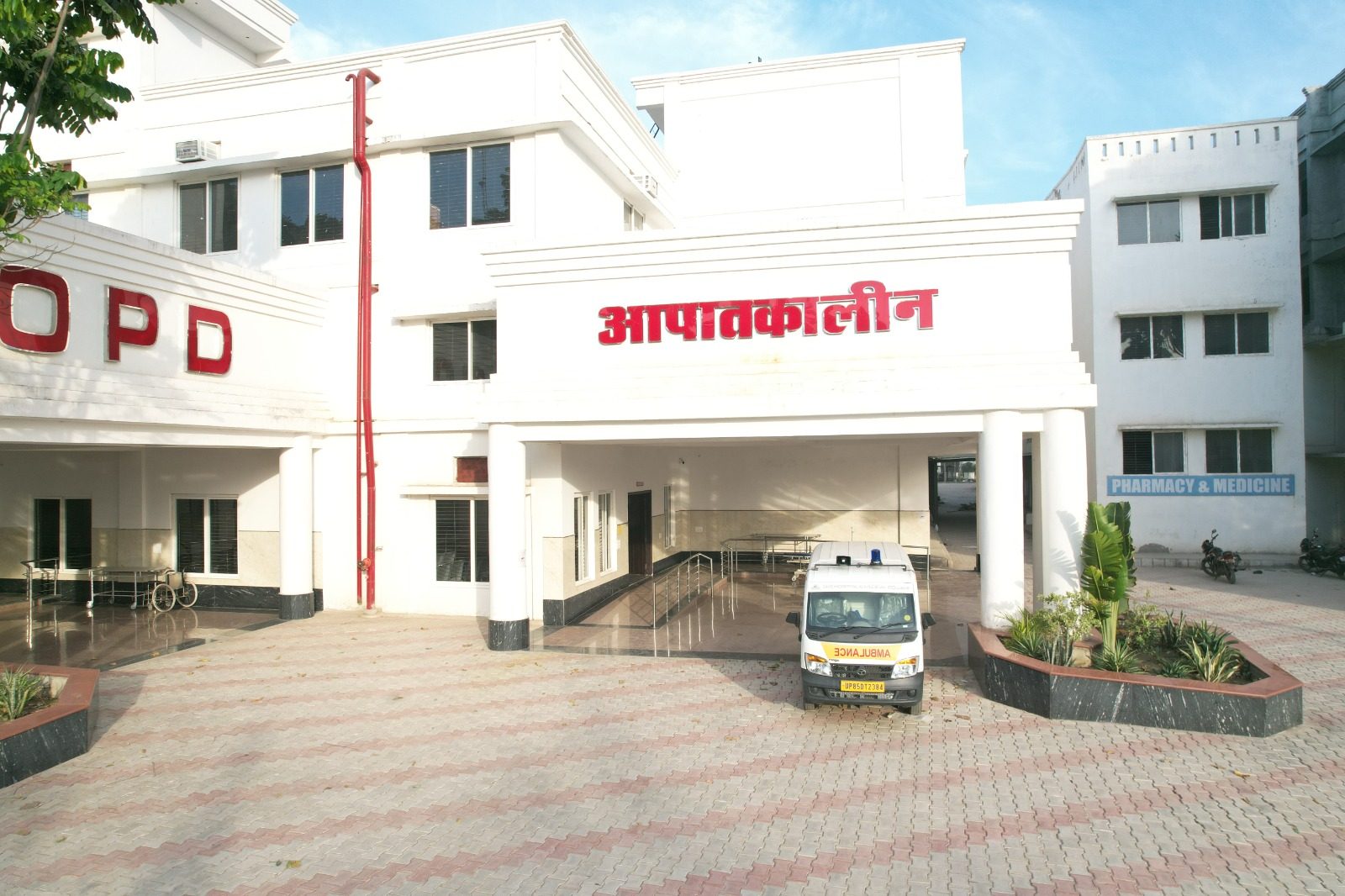
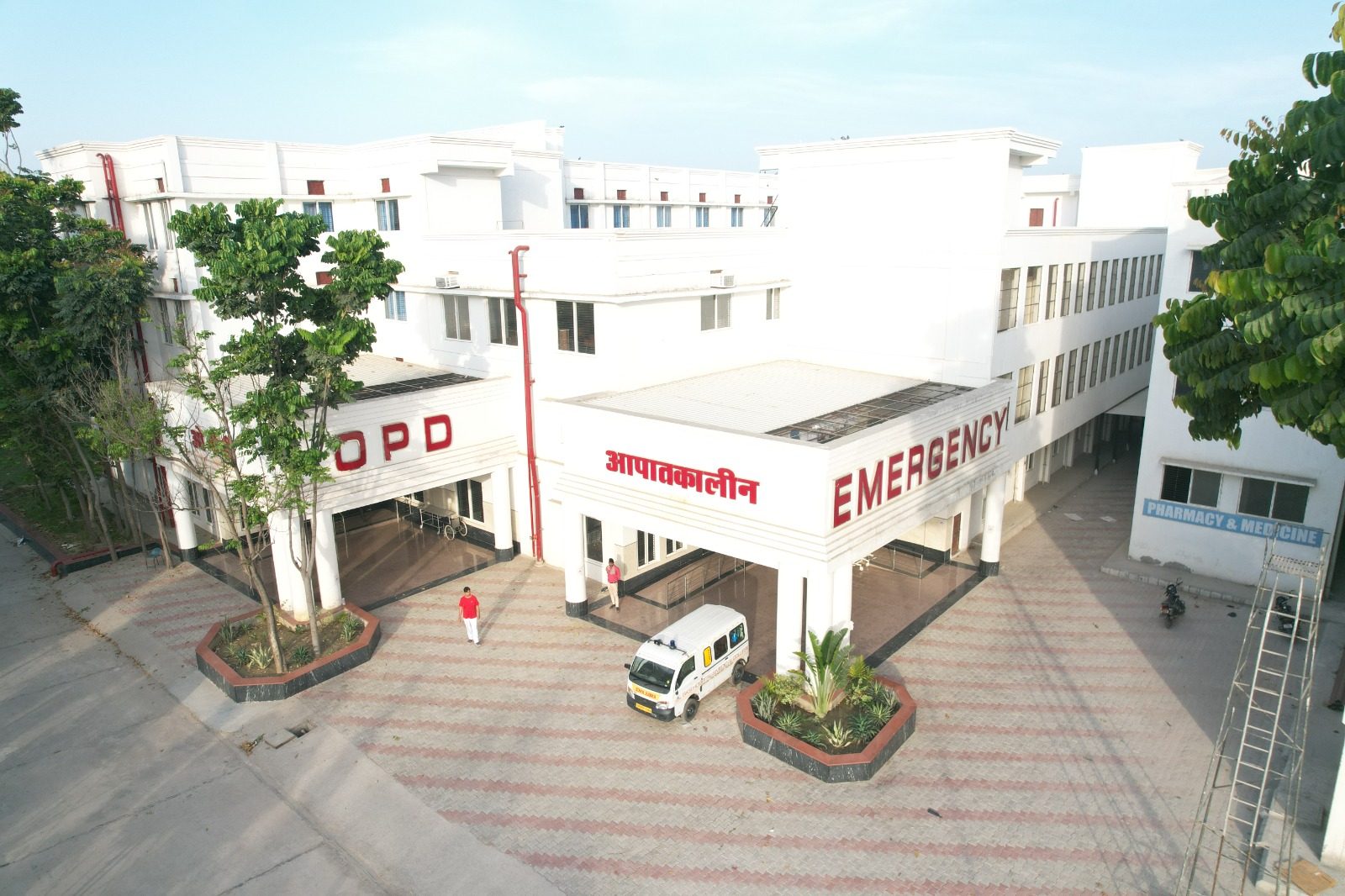
24×7 emergency
Critical care / ICU
OPD
Diagnostics on campus
Ambulance with ALS support
In-house pharmacy, 24×7
How booking works
- Anaesthesia and preparation — Knee arthroscopy is usually done under spinal anaesthesia, which numbs you from the waist down, or under general anaesthesia. The leg is cleaned with antiseptic, and a tourniquet around the thigh keeps the view clear. You do not feel the operation.
- Looking inside the joint — The surgeon makes two or three small cuts of about 1 cm around the knee. The joint is filled with sterile fluid so that it expands, and the camera is inserted to check the ligaments, menisci and cartilage on the screen.
- Repair or reconstruction — Torn meniscus is stitched or trimmed with fine instruments. For ACL reconstruction, the graft is taken through a small separate cut, prepared, passed through bone tunnels and fixed with small devices that usually stay in place permanently. A meniscus procedure takes about 30–60 minutes; ACL reconstruction usually 1–2 hours.
- Closing and bandaging — The small cuts are closed with a stitch or skin tapes and covered with a padded bandage. After ACL surgery a knee brace is often applied. You are watched in the recovery area until the anaesthetic wears off, and the physiotherapist visits you soon after.
Fees, insurance and cashless treatment
arthroscopy and ACL surgery consultation
Get the right treatment with guidance on insurance coverage, Ayushman card eligibility, and treatment costs. Cashless insurance: major insurers and TPAs, with pre-authorisation help. Clear estimate: a written cost estimate before any planned surgery.
Visiting the hospital
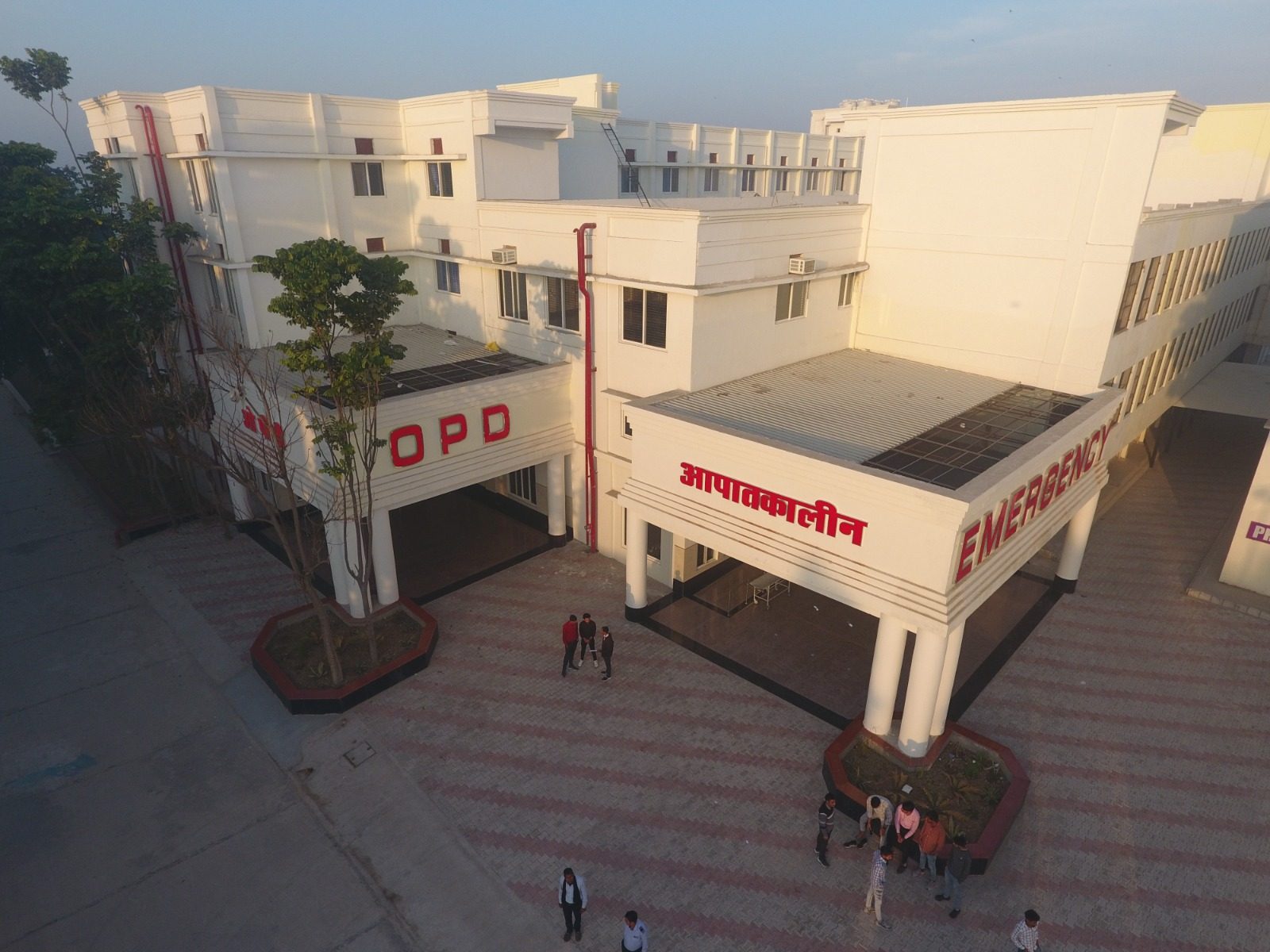
- NH-19 (old NH-2), 21st Mile Stone, Village Chaumuhan, Tehsil Chhata, Mathura – 281406, Uttar Pradesh
- Parking available · On NH-19 (old NH-2), Chaumuhan, Mathura
- OPD: Monday to Saturday, 9:00 AM – 4:00 PM
- Emergency: 24×7
Frequently Asked Questions
Answers to common questions about arthroscopy and ACL surgery at SKS Hospital, Mathura — appointments, recovery, insurance and emergencies.
Is arthroscopy a major operation?
It is a keyhole operation done through small cuts, so there is less pain and a quicker recovery than with open surgery. It is still a proper operation under anaesthesia, and the rehabilitation afterwards — especially after ACL reconstruction — takes months of regular effort.
Will a torn ACL heal on its own?
A complete ACL tear does not heal back on its own. Some people manage well with physiotherapy if they avoid twisting activities, but active people whose knee keeps giving way usually need reconstruction to prevent further damage to the meniscus and cartilage.
How soon after the injury should ACL surgery be done?
There is usually no need to rush. Surgery is usually done once the swelling has settled and you can straighten and bend the knee well — often a few weeks after the injury. Operating on a stiff, swollen knee increases the risk of stiffness afterwards.
Where does the new ligament come from?
Most often from your own hamstring tendons at the back of the thigh or the patellar tendon at the front of the knee. Your surgeon will explain which graft suits your knee, activity and sport.
Is it painful?
You feel nothing during surgery because of the anaesthetic. Afterwards the knee is sore and swollen for a few days to weeks, controlled with ice, elevation and medicines. Meniscus trimming is usually less painful than ACL reconstruction.
When can I go back to work, drive or play sport?
Desk work is often possible in 1–2 weeks, and driving when you can brake firmly and safely — usually 2–6 weeks, depending on which knee and the procedure. Return to twisting sports after ACL reconstruction usually takes 9–12 months.
Will I get arthritis later?
A knee that keeps giving way damages its cartilage over time, and losing a large part of the meniscus raises the risk of arthritis. Stabilising the knee and saving as much meniscus as possible helps protect it, though the original injury itself can still increase the long-term risk.
Can children and teenagers have ACL surgery?
Yes, but growing bones need special care. In children who are still growing, the timing and technique are planned to protect the growth plates. Our orthopaedic and paediatric teams assess each child individually.
How much does arthroscopy cost, and is it covered by insurance?
The cost depends on the procedure — meniscus trimming, meniscus repair or ACL reconstruction — and the fixation devices used. Our team gives a written estimate before surgery. SKS Hospital is empanelled with major insurers and TPAs, and arthroscopy is usually covered — our insurance desk helps with pre-authorisation.
Request a arthroscopy and ACL surgery appointment
Takes about 1 minute. No charges to request.
Our team calls within 30 minutes during OPD hours to confirm doctor and time. For emergencies, call +91 86799 11029.