
Dialysis (Haemodialysis)
When the kidneys can no longer clean the blood, haemodialysis does the job for them — filtering out waste, extra salt and fluid through a machine in sessions of about four hours, usually two or three times a week, under the care of our nephrology team.
About 4 hours
Usually 2–3 times a week
None — local numbing for needles
AV fistula or catheter
Overview
Hearing the word “dialysis” for the first time is frightening for most families. Often the kidney reports have been worsening slowly for years because of diabetes or high blood pressure; sometimes kidney failure arrives suddenly, after a severe infection, dehydration or a snake bite. Understanding what dialysis involves, and what it does not, makes the next steps much easier.
Healthy kidneys filter the blood all day, removing waste, extra water, salt and potassium, and keeping the blood’s acid balance steady. When kidney function falls to around 10–15% of normal, or suddenly stops working, these substances build up. People feel sick, lose their appetite, swell up, become breathless, and potassium can rise to levels that disturb the heartbeat.
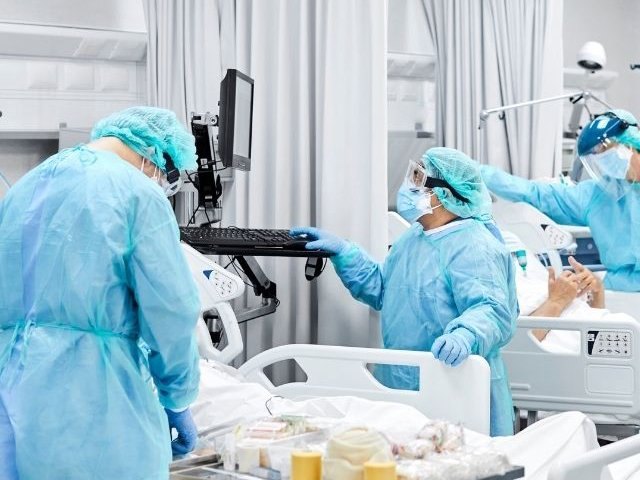
Haemodialysis takes over this filtering work. Blood flows from your arm or a catheter through soft tubing to a filter called a dialyser — an “artificial kidney” — where waste and extra fluid pass out into a cleansing fluid. The cleaned blood returns to your body straight away. Only about a cupful of blood is outside the body at any time, and you rest in a reclining chair or bed throughout.
At SKS Hospital, our dialysis unit provides scheduled sessions for regular patients and emergency dialysis for sudden kidney failure, under the supervision of our nephrologists. With the laboratory, ICU, blood bank and 24×7 emergency department on the same campus on NH-19 (old NH-2), patients from Mathura, Vrindavan, Kosi Kalan, Chhata and nearby villages can receive dialysis close to home.
Why it's done
Your nephrologist advises dialysis when the kidneys can no longer keep the blood safe on their own. Common reasons include:
- End-stage kidney disease, usually when kidney function falls to around 10–15% of normal and symptoms appear
- Sudden kidney failure (acute kidney injury) after infection, dehydration, heat stroke, snake bite or major surgery
- Fluid overload with swelling and breathlessness that does not respond to medicines
- Dangerously high potassium, which can disturb the heart rhythm
- Severe acid build-up in the blood that medicines cannot correct
- Symptoms of kidney failure such as persistent vomiting, poor appetite, confusion or drowsiness
Is it right for you?
Usually a good fit
- Kidney failure where dialysis will relieve symptoms and protect the heart and lungs
- Sudden kidney failure, to support you while the kidneys have a chance to recover
- A working AV fistula, or a dialysis catheter placed while a fistula is planned
- You are able to attend regular sessions, with family support for travel and diet
May not be suitable
- Very low blood pressure or an unstable heart, where dialysis is done in the ICU with closer monitoring and adjusted settings
- Frail, elderly patients with several serious illnesses, where conservative kidney care may offer a better quality of life — this is discussed openly with the family
- Active bleeding, where the blood-thinning medicine used during dialysis must be reduced or avoided
- Patients who can have a kidney transplant before dialysis becomes necessary, if a suitable donor is available — referral is discussed early
Types and techniques
Haemodialysis through an AV fistula
An AV fistula joins an artery and a vein in the forearm or upper arm through a small operation, so that the vein becomes strong enough for dialysis needles. It usually needs 6–8 weeks or more to mature. It is the preferred long-term access because it lasts longest and has the lowest risk of infection.
Haemodialysis through a catheter
A soft tube is placed in a large vein in the neck or, less often, the groin. It allows dialysis to start the same day in an emergency, or while a fistula matures. A tunnelled catheter, passed under the skin, can be used for several months, but catheters carry a higher risk of infection and clotting than a fistula.
Emergency or maintenance dialysis
Emergency dialysis is given for sudden, life-threatening problems such as very high potassium, fluid in the lungs or acute kidney failure, often alongside ICU care, and may be needed only until the kidneys recover. Maintenance dialysis is the regular schedule, usually 2–3 sessions a week, for people with long-term kidney failure.
Peritoneal dialysis
In peritoneal dialysis, a soft catheter is placed in the abdomen and the lining of the abdomen acts as the filter. The fluid is changed at home several times a day or overnight by a small machine. Our nephrologists explain whether it suits you and coordinate this option where appropriate.
Preparing for the procedure
- Blood tests for kidney function, potassium, haemoglobin and bone minerals, along with screening for hepatitis B, hepatitis C and HIV, which is standard before starting dialysis for everyone’s safety
- Hepatitis B vaccination, ideally started well before dialysis because the full course takes several months
- Planning an AV fistula a few months before dialysis is expected; protect the veins of that arm — no blood tests, drips or BP cuffs on it
- On dialysis days, eat a light meal and take your medicines as advised — some blood pressure tablets are skipped before a session
- Wear loose clothing with sleeves that roll up easily; bring your medicine list, weight record, a shawl and something to read or listen to
- Arrange transport and a companion for the first few sessions, as you may feel tired afterwards
The procedure, step by step
Checking in
The nurse records your weight, blood pressure, pulse and temperature, and checks your fistula or catheter. Your weight compared with your ideal “dry weight” tells the team how much extra fluid to remove during the session.
Connecting to the machine
For a fistula, the skin is numbed with a cream or small injection and two needles are placed — one to take blood out and one to return it. You feel a brief prick. A catheter is simply connected using a sterile technique. A small dose of blood thinner keeps the circuit from clotting.
During the session
Blood flows through the dialyser and back to you while the machine constantly monitors pressures and fluid removal. Most people rest, sleep, read or watch something. Tell the nurse at once if you feel dizzy, sick, cramped or unwell — these usually settle quickly when the settings are adjusted.
Finishing
After about 4 hours, your blood in the tubing is returned to you and the needles are removed. Firm pressure is applied for 5–10 minutes until bleeding stops, and a dressing is placed. Your weight and blood pressure are checked again, and you sit for a few minutes before standing up.
Benefits and risks
Benefits
- Removes waste and extra fluid, relieving nausea, poor appetite, swelling and breathlessness
- Keeps potassium and acid levels safe, protecting the heart
- Supports the body while the kidneys recover after sudden kidney failure
- Allows many people to continue working and living with their families, and can be a bridge to a kidney transplant
Possible risks
- Low blood pressure during the session, causing dizziness, nausea or muscle cramps, especially when a lot of fluid has to be removed
- Tiredness or a “washed out” feeling for a few hours after a session
- Fistula problems such as narrowing or clotting, which may need a minor procedure to restore flow
- Infection, especially with catheters — a catheter infection can spread to the blood and needs urgent treatment
- Rarely, allergic reactions to the dialyser, or bleeding problems from the blood thinner used during dialysis
Recovery timeline
The first sessions
The first two or three sessions are usually shorter and gentler, so that the body adjusts slowly to the change in blood chemistry. You may feel tired or have a mild headache at first; this usually improves within a week or two.
The first few weeks
The team works out your dry weight — your weight without extra fluid — and adjusts your blood pressure medicines. Monthly blood tests check how well dialysis is working, and your schedule is set on fixed days and times that suit your family and work.
Settling into a routine
Most people feel noticeably better once appetite returns and swelling goes down. Attend every session and do not shorten them. You will usually be advised to keep your weight gain between sessions to around 1.5–2 kg by limiting fluids and salt; your team sets your exact daily fluid limit.
Living well long term
A kidney-friendly Indian diet controls salt, potassium and phosphorus while giving enough protein. Medicines for anaemia (such as erythropoietin injections and iron), phosphate binders, vitamin D and blood pressure tablets help you stay well. Feel the buzz of your fistula every day, stay active, and plan dialysis in advance if you travel.
When to call your doctor
- Breathlessness, difficulty lying flat, chest pain or a racing heartbeat — call +91 86799 11029 or come to emergency straight away
- A missed dialysis session that you cannot make up the same or next day — do not wait for symptoms
- The buzz or thrill in your fistula stops, or the fistula arm becomes cold, painful or pale
- Bleeding from a needle site that does not stop after 10–15 minutes of firm pressure
- Fever, shivering, or redness, pus or pain around the catheter site
Call us on +91 86799 11029 or come straight to our 24×7 emergency department.
Alternatives
Kidney transplant
A transplant from a living or deceased donor gives better long-term quality of life for many people with kidney failure, freeing them from regular dialysis. Our nephrologists provide transplant counselling and pre-transplant evaluation of the patient and donor, refer you to a transplant centre, and continue your follow-up care afterwards.
Conservative kidney care
For some elderly or very frail patients, dialysis may not add much length or quality of life. Conservative care focuses on medicines, diet, managing symptoms such as itching, breathlessness and nausea, and support for the family, without dialysis. The decision is always made together, and can be revisited.
Delaying dialysis with CKD care
For people with chronic kidney disease who do not yet need dialysis, good control of blood pressure and sugar, kidney-protective medicines, diet and avoiding harmful painkillers can slow the disease and delay dialysis, sometimes by years.
This page explains Dialysis (Haemodialysis) in general terms. Your doctor will advise what is right for you after examining you and reviewing your reports. Please read our medical disclaimer.
Ask about your options, the cost and your insurance before you decide. We are empanelled with major insurers and TPAs.
Your care team

Nephrology & Dialysis Department
Dialysis at SKS Hospital is supervised by our nephrology team with trained dialysis nurses and technicians, supported by the laboratory, ICU, blood bank and 24×7 emergency department on the same campus. Emergency dialysis is coordinated with our emergency and critical care teams.
Because dialysis is a long journey, we get to know our patients and their families well. The same team plans your access, adjusts your treatment month by month, guides your diet and fluids, and discusses transplant options with you when you are ready.
Other departments involved
Related procedures
Kidney Stone Treatment (URS / PCNL)
Removal of kidney and ureteric stones with URS, RIRS laser, PCNL or ESWL, protecting the kidneys from blockage and damage.
Prostate Surgery (TURP)
TURP relieves an enlarged prostate that blocks urine flow and can cause back pressure on the kidneys.
Angiography & Angioplasty
Keyhole treatment for blocked heart arteries, with extra kidney precautions for patients with kidney disease or on dialysis.
AV Fistula Creation & Care
A small operation joining an artery and vein in the arm to create durable, low-infection access for long-term dialysis.
Dialysis Catheter Insertion
A soft tube placed in a large neck or groin vein to allow urgent or temporary dialysis until a fistula is ready.
Kidney Biopsy
A tiny sample of kidney tissue taken with a fine needle under ultrasound guidance to find the exact cause of kidney disease.
Related articles
Nephrology · 5 min read
Diabetes and Your Kidneys: What You Must Know
Diabetes is a common cause of kidney disease. Simple tests can catch it early.
Read More →
Cardiology · 5 min read
Heart Attack Warning Signs Every Family Should Know
Kidney disease raises heart risk. Know the early symptoms and reach an emergency within the golden hour.
Read More →
Frequently Asked Questions
Common questions patients and families ask us about dialysis.
Is dialysis painful?
The dialysis itself does not hurt. You feel a brief prick when the fistula needles go in, which is reduced with numbing cream or a local injection. Some people have cramps or dizziness during a session if fluid is removed quickly — tell the nurse, and the settings can be adjusted.
Once dialysis starts, is it for life?
Not always. After sudden kidney failure, many patients recover enough kidney function to stop dialysis within days to weeks. In end-stage kidney disease, dialysis is usually needed long term unless you receive a kidney transplant.
Can I work and travel while on dialysis?
Yes. Many people continue working by choosing session times that fit their job. For travel, dialysis can be arranged at a centre in the place you are visiting — let us know a few weeks ahead so we can share your records and prescription.
What can I eat and drink?
You will usually need to limit fluids, salt, potassium-rich foods and phosphorus, while eating enough protein. Our team gives you a practical plan based on Indian meals, including which fruits, vegetables and dals suit you and how to leach vegetables to reduce potassium.
How soon can a new AV fistula be used?
A fistula usually needs about 6–8 weeks, and sometimes up to 3 months, to become strong enough for needles. This is why we recommend making it well before dialysis is expected. Squeezing a soft ball regularly, as advised, can help it mature.
How do you prevent infections like hepatitis in the dialysis unit?
Every patient is screened for hepatitis B, hepatitis C and HIV before starting and at regular intervals. Strict infection-control practices are followed, including cleaning machines between patients and keeping dedicated machines for patients with hepatitis B, as standard guidelines recommend. Hepatitis B vaccination adds further protection.
Can dialysis be done at home?
Peritoneal dialysis is a home-based option for suitable patients. It needs a catheter in the abdomen, training, and a clean space at home. Our nephrologists will explain whether it suits you and coordinate this option where appropriate.
What should I do if I miss a session or feel breathless?
Do not wait for your next scheduled session. Missed dialysis can quickly lead to fluid in the lungs or dangerously high potassium. Call +91 86799 11029 or come to our 24×7 emergency department if you feel breathless, have chest pain, severe weakness or a racing heartbeat.
How much does dialysis cost, and is it covered by insurance?
The cost depends on the number of sessions, the type of access and any medicines or tests needed. Our team gives a written estimate before you start. SKS Hospital is empanelled with major insurers and TPAs, and dialysis is covered under many policies and some government health schemes — our insurance desk helps with pre-authorisation and paperwork.
Book a consultation at SKS Hospital
Book a consultation with SKS Hospital’s specialists — 24×7 emergency care, 350 beds and a full team of consultants on one campus.